
How to Grow into Motherhood
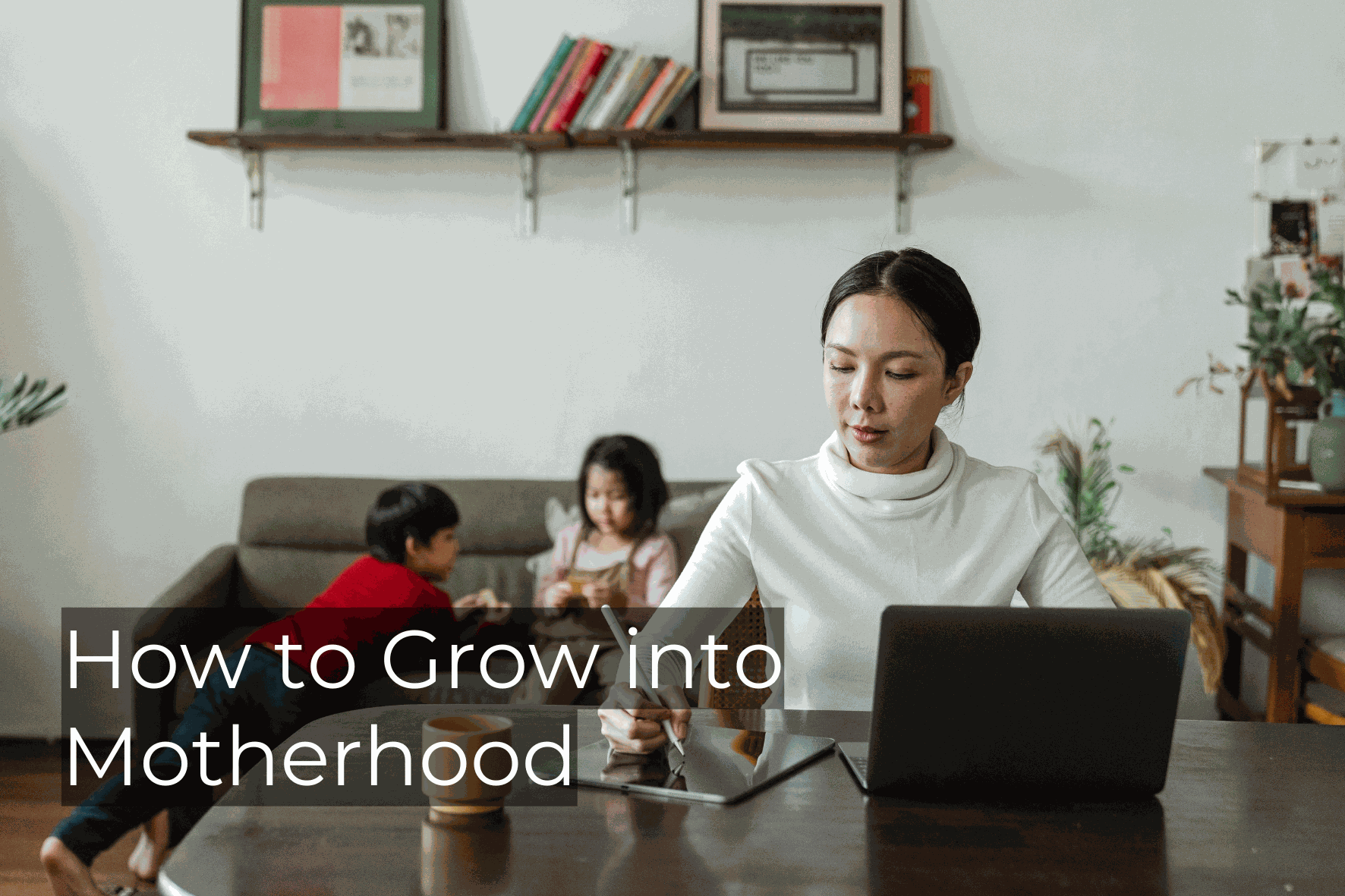
Being a mother is a profound, powerful, and privileged role—a state involving intense love, sacrifice, and growth.
Yet, this journey seldom comes with certainty. Motherhood often begins with love mixed with fear, devotion mixed with doubt, and a quiet question many mothers carry but rarely voice: Am I doing this right?
We are told motherhood should feel natural, instinctive, and completely fulfilling. Yet many mothers find themselves overwhelmed, exhausted, and carrying guilt they can’t quite explain. We worry we are not patient enough, not present enough, not doing enough. We worry about the future, about whether our children will be safe, happy, resilient. And somewhere along the way, we feel we lose touch with ourselves.
Growing into motherhood is an inner journey shaped by love, care, impermanence, and learning, not mastering a role. In Buddhism, motherhood is not seen as a separate path but as a powerful lens to understand suffering, attachment, compassion, and letting go—the core of spiritual life—relevant to caregiving.
Motherhood as a Path, Not a Fixed Role
Many of us enter motherhood thinking it is a role we must perform perfectly. We absorb messages about being patient, selfless, nurturing, and endlessly giving. When we fall short of this ideal image, guilt follows quickly.
But Buddhism presents a different perspective; it sees life as a continuous journey of learning through experience, not as a series of roles to conquer. Motherhood is not a test to succeed or fail at; rather, it is a path you walk that transforms you just as much as you care for another.
On this path, growth happens through sleepless nights, showing up even when you are tired, making mistakes and repairing them, over and over again. You are not meant to know already how to do this. You are meant to learn by doing.
Caregiving as Spiritual Practice
Many mothers feel disconnected from spiritual life due to endless demands like feeding, cleaning, working, and managing family emotions, leaving no quiet moment for reflection.
But spiritual practice isn't something that requires you to escape your life. In fact, caregiving itself becomes a powerful form of practice when you approach it with awareness. Mindfulness is the key; by paying gentle attention to daily tasks, they transform from mere chores into moments of meditation.
Patience grows with a tired child, and loving-kindness is learned right after a difficult moment. You practice forgiveness when you lose your temper and forgive yourself quickly. Raising others naturally trains humility, compassion, and patience. These are the heart of Buddhist wisdom. Motherhood doesn't pull you away from your path; it places you right on it, even in the middle of the mess.
Of course, feeling frustration, exhaustion, or even resentment is perfectly natural. These feelings don't make you a bad mother; they mean you are human. Buddhism teaches that while suffering is part of life, we can choose how we respond to it. Each difficult moment is a chance to pause, notice your feelings, and choose compassion for yourself rather than guilt. In this way, you are not just tending to your child, but also deeply nurturing your own inner strength, patience, and kindness.
Looking after yourself while caring for others is non-negotiable. Setting limits, asking for help, or taking a short break isn't giving up; it's about managing your own energy. Nourishing your mind and body enables you to show up more calmly for your child. The Bodhisattva ideal involves cultivating your inner awareness so you can remain steady and present for others. Motherhood is where this truly comes to life.
Guilt, Attachment, and the Fear of Not Being Enough
Guilt is one of the heaviest emotions mothers carry. We feel guilty for working, for not working, for being tired, for wanting time alone, for losing our temper, for not doing more.
From a Buddhist perspective, much of this guilt arises from attachment. We become attached to an ideal image of the “right” mother and judge ourselves harshly whenever we fall short. We confuse care with control, and love with constant worry.
Attachment is not the same as love. Love allows space for growth. Attachment clings tightly, driven by fear. When we are attached, we believe that our children’s happiness or future depends entirely on us. This creates anxiety and self-blame.
Buddhism teaches that suffering increases when we try to hold too tightly to what we cannot fully control. Recognising this does not mean caring less. It means caring more wisely. We show up, we guide, we support, and we also accept that our children are whole beings walking their own paths.
Letting Go Without Abandoning
One of the deepest fears mothers face is that letting go means abandoning their children. If I step back, will my child suffer? If I stop worrying, does that mean I don’t care?
Letting go in Buddhism does not mean withdrawing love. It means letting go of the illusion of ownership. Your child is not something you possess; they are someone you accompany for a time.
Letting go may mean letting your child struggle or trusting them to make mistakes, and recognising when your worry is driven by fear, not wisdom. This kind of letting go is not abandonment. It is a deep form of respect and trust. It teaches resilience for both you and your child.
The Invisible, Unreciprocated Work of Motherhood
Much of motherhood is quiet and unseen: the emotional labour, the planning, the worrying, the holding together of family life. Often, it goes unacknowledged.
Buddhism does not promise recognition or praise. It acknowledges suffering and offers a way to meet it without bitterness. When caregiving feels thankless, it helps to remember that not all meaningful actions are immediately visible or rewarded.
Enlightened action means serving others without seeking credit, while meeting your own exhaustion or resentment with honest patience rather than self-pity. You are allowed to feel tired and you are allowed to need support. A spiritually strong mother knows when to rest and when to ask for help.
Worrying About the Future
Mothers worry endlessly about what lies ahead. Will my child be safe? Will they suffer? Will they cope in a difficult world?
Buddhism teaches that impermanence is not meant to frighten us, but to bring us back to the present. The future does not exist yet. When we live constantly in imagined scenarios, we miss the reality unfolding now.
This does not mean ignoring practical planning. It means recognising when worry has crossed into rumination. When fear takes over, grounding ourselves in the present moment can soften its grip: What can I offer right now? What is actually happening, rather than what I fear might happen?
Presence does not solve every problem, but it softens the mind. It reminds us that love is practised in the present, not in imagined futures.
Motherhood is an Inner Journey
Growing into motherhood is not about becoming a master at it. It is about softening into who you already are, with more awareness and less self-criticism.
There will be love and joy, but also exhaustion and fear. Buddhism does not ask you to deny any of it, but it does offer a way to relate to them with more steadiness and less self-judgment.
Viewing motherhood as an inner journey shifts our focus from outcomes to how we live each day. Growth starts with awareness, honest reflection, and an openness to be gentle with ourselves.
If you are interested in exploring how to integrate this wisdom more deeply and in finding the guidance and support that help make this journey clearer and more balanced, consider joining our Buddhist community or a Dharma class at our Jalan Besar temple.
Join us on Telegram for regular updates on our temple events and activities.